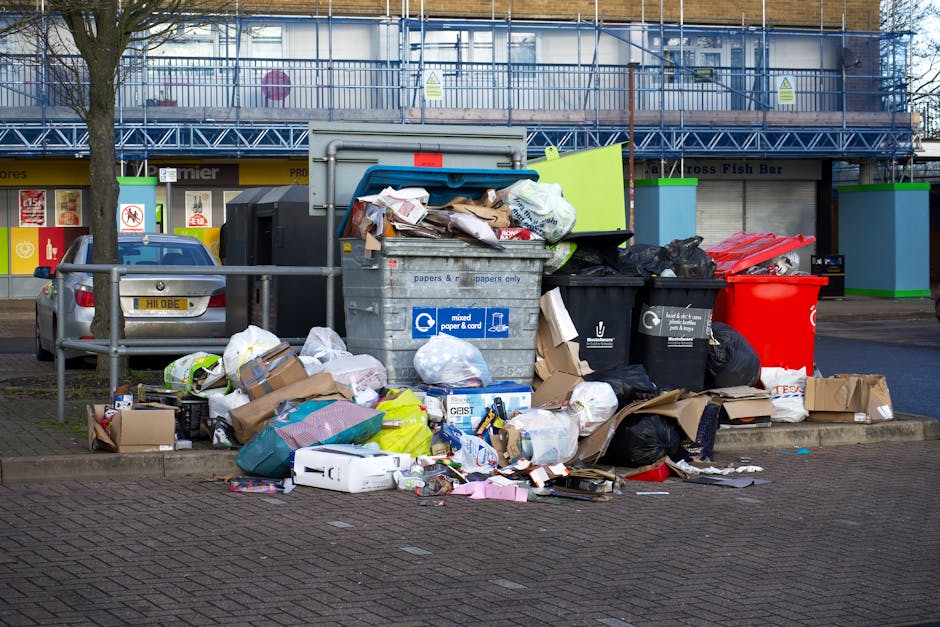
Avoid hidden rubbish removal charges in Battersea: what to know before you book
If you are trying to avoid hidden rubbish removal charges in Battersea what to know before you book, you are already doing the smart thing. Most people only discover the awkward bits after the quote has been given, the van has arrived, and the pile of junk suddenly looks more expensive than expected. Bit of a headache, honestly.
The good news is that rubbish removal does not have to be confusing. Once you know how pricing is usually built, which extras can creep in, and what to ask before anyone starts loading the truck, you can keep control of the cost. This guide walks through the real-world stuff: how charges appear, what a fair quote should include, where people get caught out, and how to compare options without guesswork. It is written for Battersea homeowners, tenants, landlords, and businesses who want a straight answer, not sales fluff.
Why hidden rubbish removal charges matter
Hidden charges matter because rubbish removal is one of those services where the final cost can change quickly if the job is not described properly. A quote might look tidy at first glance, but then extra labour, difficult access, special waste handling, congestion issues, or a last-minute uplift fee appears. That is usually where the frustration starts.
In Battersea, this can feel even more noticeable because homes and businesses often deal with tighter access, flats, basement storage, controlled parking, narrow roads, or stair-only properties. A job that seems straightforward on paper can become more involved on the day. And if the provider has not explained their pricing clearly, you are left trying to make sense of the bill while the dust is still settling.
There is also the trust factor. A clear quote tells you a company understands the job properly. A vague quote can mean one of two things: either they have not asked enough questions, or they are relying on extras later. Neither is ideal.
Quick takeaway: the best way to avoid surprise rubbish removal charges is to get a quote that matches the real job, not a best-case version of it.
That simple principle saves a lot of grief. It also makes it easier to compare providers fairly, which is important when a cheap headline price looks tempting. Let's face it, everyone likes a bargain until the invoice arrives looking like a small novel.
How rubbish removal pricing usually works
Most rubbish removal pricing is built from a few core parts: the amount of waste, the type of waste, the labour needed, how easy it is to collect, and whether disposal requires special handling. Some companies price by load size, some by time, some by item type, and others use a blended quote.
For a simple household clear-out, you might be charged mainly on volume. For a more complex job, the quote may include collection, sorting, loading, transport, and disposal together. That can be fine, as long as the customer knows what is included and what would trigger an extra fee.
Common hidden or unclear charges tend to appear in a few places:
- Access issues such as stairs, long carries, no lift, or limited parking
- Heavy items like wardrobes, appliances, soil, rubble, or broken furniture
- Different waste streams such as electronics, white goods, or materials requiring separate treatment
- Waiting time if the job is not ready when the team arrives
- Extra load volume if the pile grows between quote and collection
- Special waste that needs additional processing
It helps to think of a quote as a snapshot in time. If the room, loft, garage, or office changes between booking and collection day, the price may change too. That is not always unfair; it just needs to be explained clearly before anyone starts lifting things.
If you are dealing with mixed items, it can also help to look at specific service pages such as furniture clearance, office clearance, garage clearance, or loft clearance. These give a better sense of how different jobs may be handled.
Key benefits and practical advantages
Knowing how hidden charges work gives you more than just cost control. It helps you plan better, ask sharper questions, and avoid that awful feeling of being rushed into a decision. Simple, but useful.
1. You can compare quotes properly
When every quote includes the same basics, it becomes much easier to compare like for like. Without that, one provider may look cheaper simply because they have not included labour, disposal, or access issues.
2. You can budget with less stress
People often underestimate how much better a job feels when the price is clear from the start. No guessing. No awkward phone call later. Just a clean plan.
3. You reduce the risk of disputes
Clear pricing lowers the chance of disagreement on the day. That matters if you are arranging a flat clearance, an office job, or a house clear-out where several people may need to sign off the spend.
4. You make better decisions about disposal methods
Sometimes a full rubbish removal service is the best option. Other times, a different approach may suit the job better. For example, if you are deciding what can go in a skip, the page on what can go in a skip can help you think through the boundaries before you book anything.
5. You protect your time as well as your money
Unexpected fees usually mean extra calls, extra explanations, and extra delay. Clear pricing keeps the job moving. That matters if you are clearing a property before a move, renovation, or end-of-tenancy deadline.
Who this is for and when it makes sense
This topic matters for anyone who is likely to book waste removal in Battersea and wants to stay in control of the spend. That includes first-time movers, busy landlords, office managers, tradespeople, and people clearing out family homes.
You will probably benefit most if you are dealing with one of these situations:
- Flat or apartment clearance where stairs, lifts, and access can affect price
- House or home clearance after a move, inheritance, or long-overdue declutter
- Furniture disposal when items are bulky, heavy, or difficult to dismantle
- Builders waste clearance after renovations, repairs, or site tidy-ups
- Business waste removal where timing, security, and continuity matter
- Garden or garage clearance where mixed waste can be tricky to describe accurately
If you are not sure which type of service fits your job, it is usually worth looking at the broader waste removal information alongside service-specific pages such as house clearance or home clearance. That tends to give a clearer picture than guessing from a price list alone.
To be fair, some jobs look tiny and then turn into a proper afternoon. A few bags in the hallway, a broken chest of drawers, one old mattress, and suddenly it is a loading puzzle. That is normal. The trick is describing the job honestly so the quote can reflect reality.
Step-by-step guidance to avoid surprise fees
If you want the short version: describe the waste properly, ask about all likely extras, and get the quote in writing. But here is the fuller version, because the details matter.
Step 1: List everything that needs removing
Do not just say "a bit of rubbish." That is how misquotes happen. Instead, make a quick inventory of what is going, including large items, loose bags, broken pieces, and anything tucked away in cupboards, lofts, or sheds.
If the job includes awkward items such as a fridge, sofa, or mattress, say so early. Those items can affect handling, weight, recycling routes, and disposal arrangements. If relevant, you may want to review fridge and appliance removal or mattress and sofa disposal.
Step 2: Explain access clearly
Access is one of the biggest reasons quotes change. Mention stairs, basement steps, tight corners, limited parking, loading restrictions, and whether a van can stop close to the property. If the building has a lift, say whether it is available and whether large items can fit inside it.
Step 3: Separate normal waste from special waste
Some waste needs different handling. For example, hazardous waste should never be treated like ordinary household rubbish. If you have paint, solvents, batteries, chemicals, or anything that raises a safety question, ask before booking. The page on hazardous waste disposal is a useful starting point.
Step 4: Ask what the quote includes
Do not stop at the headline price. Ask whether the quote covers:
- labour
- loading
- transport
- disposal fees
- recycling sorting
- parking or access-related costs
- VAT, if applicable
That last one catches people more often than it should. A quote can look neat until tax is added, so it is worth checking.
Step 5: Ask what would count as an extra
Good providers should tell you the triggers for added cost. For example: if the pile is bigger than expected, if access is worse than described, or if the waste includes a material that needs separate processing. If they cannot explain this plainly, that is a mild warning sign.
Step 6: Get the quote and terms in writing
This is the bit everyone means to do and then forgets. Written confirmation is your safety net. It also gives you something to refer back to if the job changes or a charge is queried later.
Step 7: Confirm payment timing and method
Ask when payment is due and how it can be made. If a company offers secure payment options and explains them properly, that is usually a good sign. You can also review payment and security for broader reassurance.
Expert tips for better results
After enough clear-outs, a few patterns become obvious. The best quotes are not always the cheapest, and the smoothest jobs are almost always the ones where the customer has prepared a little.
- Take photos before you enquire. A few wide shots help the provider judge volume and access. No need for art direction here, just honest pictures.
- Put similar items together. Group furniture, bagged waste, cardboard, and loose items separately if you can.
- Check what you can move yourself. If you can carry small items to one place, it may reduce labour time and make the collection more efficient.
- Be realistic about volume. The old "it's only a few bags" line often becomes twelve bags and a cupboard full of mystery items.
- Ask about recycling. A provider that sorts waste properly may be able to divert more from disposal, which is good for both the environment and your conscience.
- Choose the right service type. A flat clearance is not always the same as a full house clearance, and a garden job has different expectations from a builders' load.
If your clear-out includes a lot of mixed household items, it is worth looking at flat clearance or furniture disposal rather than relying on a vague all-purpose quote. A specific page often helps you frame the job better.
A small but useful habit: keep your chat with the provider focused on facts, not assumptions. "Three large bags, one sofa, two chairs, access via second-floor stairs, parking on street" is far better than "there's a bit to take away." Much better, actually.
Common mistakes to avoid
Most hidden charge problems come from a few predictable mistakes. The good news? They are avoidable, and usually with only a little more care than people expect.
Giving a vague description
It is tempting to keep it short when requesting a quote, but vague descriptions create vague prices. If the provider has to guess, the estimate is less reliable.
Forgetting access details
People often remember the waste but forget the property layout. Stairs, lifts, parking, and walking distance all matter. In Battersea, that can make a real difference.
Assuming every item is the same
A bag of old clothes is not the same as broken tiles or a bulky wardrobe. Mixed waste can change how the job is priced and how it is processed.
Not checking disposal rules for specialist items
Appliances, hazardous materials, confidential paperwork, and some bulky items may require separate handling. If you have office contents, the page on confidential shredding may be relevant too.
Accepting a quote without asking what is excluded
This is the big one. The exclusions tell you as much as the inclusions. If they are not discussed, ask. It saves awkwardness later.
Waiting until collection day to mention extras
Truth be told, this is where a lot of bills drift upwards. If you have found more waste since the quote, say so before the team arrives. That one phone call can save a lot of back-and-forth.
Tools, resources and recommendations
You do not need fancy tools to manage rubbish removal well. But a few simple things make the whole process cleaner and calmer.
- Camera on your phone: take clear photos from the doorway and close-ups of any special items.
- Notepad or notes app: list the items, access details, and questions you want to ask.
- Tape measure: useful for larger furniture if you are unsure whether it will fit through doors or lifts.
- Basic sorting bags or boxes: handy for separating small items before collection.
- Calendar reminder: keep the quote date, collection date, and any parking or building access timings in one place.
For more practical background, these site pages can help you understand the wider service mix:
- pricing and quotes for what should be covered before booking
- recycling and sustainability for how waste is handled responsibly
- insurance and safety for reassurance around the job itself
- health and safety policy for safer working practice expectations
If the job is business-related, business waste removal may be more suitable than a general domestic collection. Offices often need a bit more structure, especially if there is paperwork, equipment, or timing around staff hours.
Law, compliance and best practice
When rubbish removal involves waste transport and disposal, the provider should operate within UK waste handling expectations and local best practice. You do not need to become a legal specialist, but it does help to know the basics so you can spot poor practice.
A reputable service should be able to explain how waste is managed, whether items are recycled where possible, and how any special waste is treated. They should also be transparent about costs and honest about what they can and cannot take. That is especially important for items that may be hazardous, confidential, or restricted.
Best practice usually includes:
- clear pricing before work starts
- accurate description of waste type and volume
- safe loading and transport
- responsible sorting and disposal
- appropriate handling of items requiring special care
- plain-English communication if something changes
If a provider can explain these points without wobbling, you are in better shape. If they dodge them, that is not a great sign. You want confidence, not guesswork dressed up as a deal.
For some jobs, you may also want to check the company's commitments around about us information, especially if you care about their approach, and their published complaints procedure if you want extra reassurance that there is a clear route for resolving problems.
Options and comparison table
There is more than one way to clear rubbish in Battersea. The right choice depends on what you are removing, how quickly it needs to go, and how much control you want over the cost.
| Option | Best for | Cost clarity | Main risk | Typical advantage |
|---|---|---|---|---|
| Full rubbish removal service | Mixed loads, bulky items, quick clear-outs | Usually good if the quote is detailed | Access or item-type extras if poorly described | Convenient, fast, labour included |
| Skip hire | Projects where you can load the waste yourself | Can be clear, but check permit and prohibited items | Overfilling or putting the wrong waste in | Good for ongoing DIY or renovation work |
| Specialist item disposal | Appliances, sofas, mattresses, awkward single items | Often clear when item type is confirmed | Extra handling if item is harder to remove than expected | Simple when you know exactly what is going |
If you are unsure which route suits you, start with the job type first. For example, a lot of household furniture may fit the needs of furniture clearance, while a roomful of mixed domestic items may point you towards home clearance or house clearance. The right framing tends to lead to a more accurate quote.
Real-world example
Here is a simple example from a very ordinary Battersea scenario. A couple in a second-floor flat wanted to clear a mix of old furniture, bags of household waste, and one heavy appliance before a move. On the phone, they first described it as "a few bits." Fair enough - people do that when they are busy. But once they added photos, mentioned the stairs, and confirmed that parking was not right outside the building, the job details changed quite a bit.
The updated quote reflected the actual access and the bulky items. Not cheap, but fair. More importantly, there were no awkward surprises on collection day. The team arrived expecting the real job, the couple knew what was included, and the flat was cleared without a drawn-out argument over extras.
That is the kind of outcome you want. Not magic. Just clarity.
In another case, a small office needed documents and desks removed during a weekend shutdown. They checked the approach to office clearance, confirmed secure handling for paperwork, and asked a few direct questions about payment and safety. The result was calm, tidy, and efficient. No one had to chase invoices or guess what had been collected.
Practical checklist
Use this checklist before you agree to a rubbish removal quote in Battersea.
- Have I listed every item that needs removing?
- Have I included photos or a clear description of the load?
- Have I explained access, stairs, lifts, and parking?
- Have I flagged heavy, bulky, or specialist items?
- Have I separated ordinary waste from hazardous or sensitive waste?
- Have I asked what the quote includes?
- Have I asked what could trigger an extra charge?
- Have I checked whether VAT or other taxes are included?
- Have I got the quote or confirmation in writing?
- Have I checked the payment method and timing?
- Have I chosen the right service type for the job?
If you can tick most of those off, you are in a good position. Not perfect, maybe. But good enough to avoid most of the costly surprises people worry about.
Get a free quote today and see how much you can save.
Conclusion
The simplest way to avoid hidden rubbish removal charges in Battersea is to treat the quote as a proper conversation, not a quick price hunt. Be specific about what needs removing, explain the access clearly, ask what is included, and never be shy about asking where extras might appear. That small bit of diligence usually pays for itself.
Clear pricing is not just about saving money. It is about reducing stress, keeping the job moving, and knowing exactly what to expect when the van turns up and the work begins. And really, that is the sort of calm most of us are after when a room, flat, or office is full of stuff we no longer want.
If you take one thing from this guide, let it be this: the more honest and detailed the quote request, the fewer surprises on the invoice. Simple, practical, and very worth doing.
Frequently Asked Questions
How do I avoid hidden rubbish removal charges in Battersea?
Give a full description of the waste, include access details, ask what the quote covers, and confirm any possible extras in writing. That usually removes most of the uncertainty.
Why do rubbish removal prices change after the quote?
Prices often change because the actual job is bigger, heavier, harder to access, or more specialised than first described. Sometimes the waste type itself affects the cost too.
Should I send photos before getting a quote?
Yes, if possible. Photos help the provider estimate volume, access, and item type more accurately. They are especially useful for bulky or mixed loads.
Are stairs and parking really that important?
Absolutely. Stairs, long carries, tight access, and difficult parking can all affect the amount of labour needed. In a place like Battersea, that can make a noticeable difference.
What counts as special or hazardous waste?
Things like chemicals, solvents, batteries, paints, and some materials that need separate handling can count as hazardous waste. Always mention anything that seems questionable before booking.
Is the cheapest rubbish removal quote usually the best?
Not always. A low headline price may leave out labour, disposal, taxes, or access-related costs. It is better to compare what is included than to chase the smallest number.
Do I need a written quote?
Yes, ideally. Written confirmation helps protect both sides and gives you something to refer back to if the job changes or a charge is disputed.
Can I get rubbish removal for just one large item?
Yes. Single-item collections are common, especially for bulky furniture, appliances, or mattresses. The provider may still ask for access details and item dimensions.
What should I do if my waste changes after I book?
Tell the provider as soon as possible. If the load gets bigger or changes type, it is much better to update the quote before collection day than to sort it out on the doorstep.
Is rubbish removal different from skip hire?
Yes. Rubbish removal usually includes collection and loading by the provider, while skip hire means you load the waste yourself. Each works better in different situations.
Can office waste be priced differently from household waste?
It can. Office clearances may involve desks, files, electronics, confidential material, or restricted access, so they are often quoted with those factors in mind.
Where can I learn more about pricing before booking?
The pricing and quotes page is a useful place to start, especially if you want to understand what should be covered before you commit.
And if you are still weighing up the best approach, take your time. A careful quote now is usually worth far more than a hurried booking later. Little bit of patience here saves a lot of bother down the line.